 Toi Shan Association Primary School





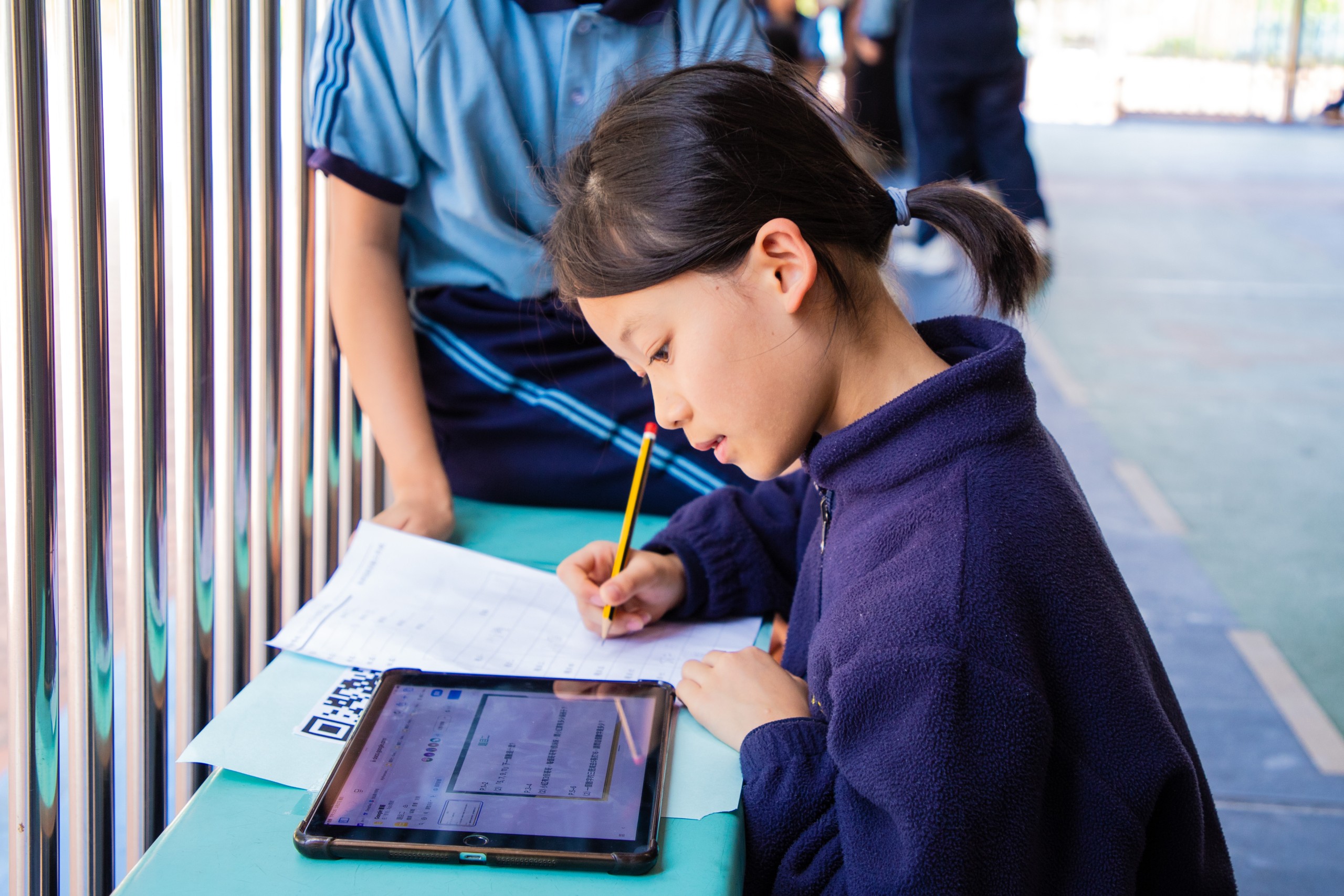
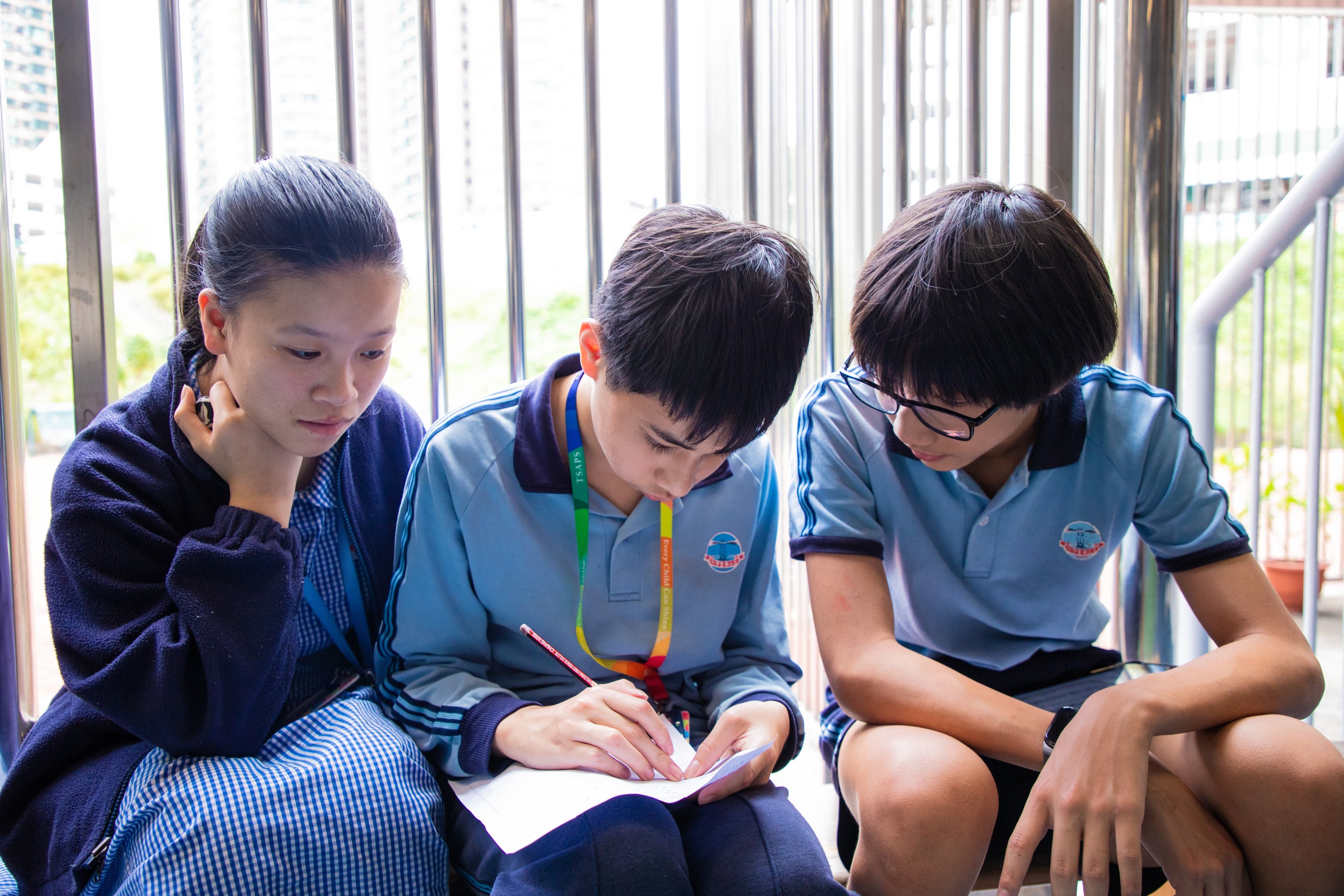
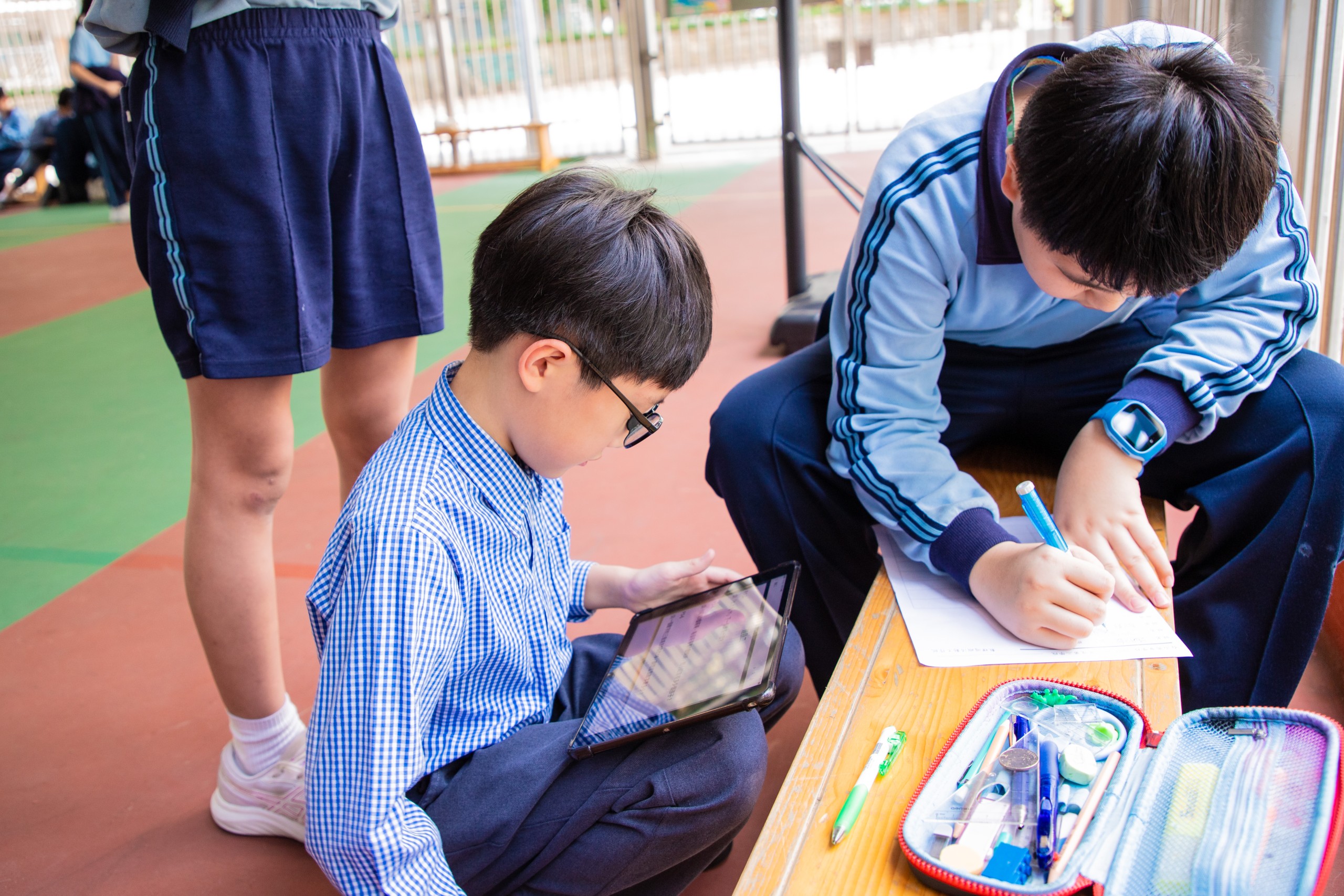
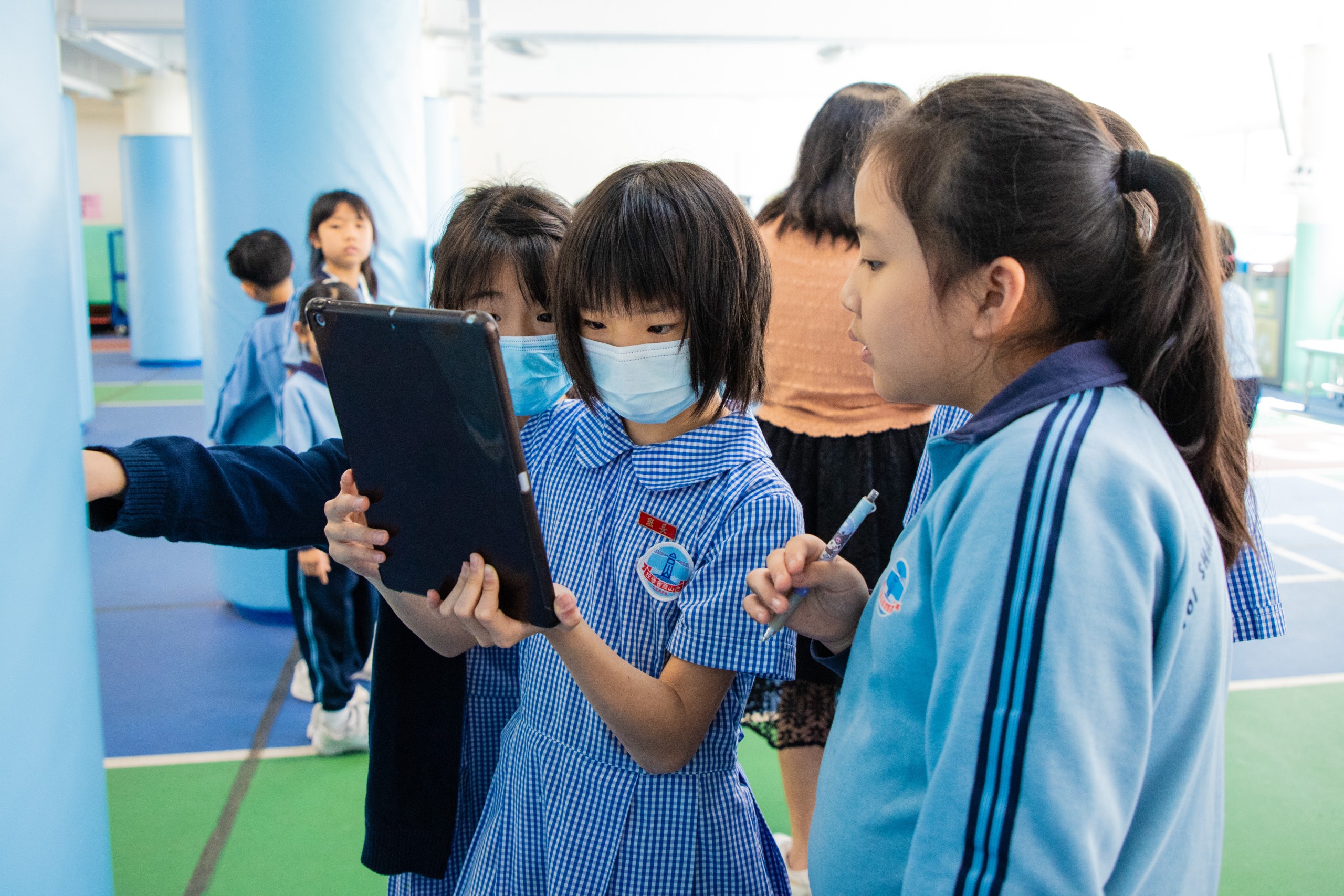
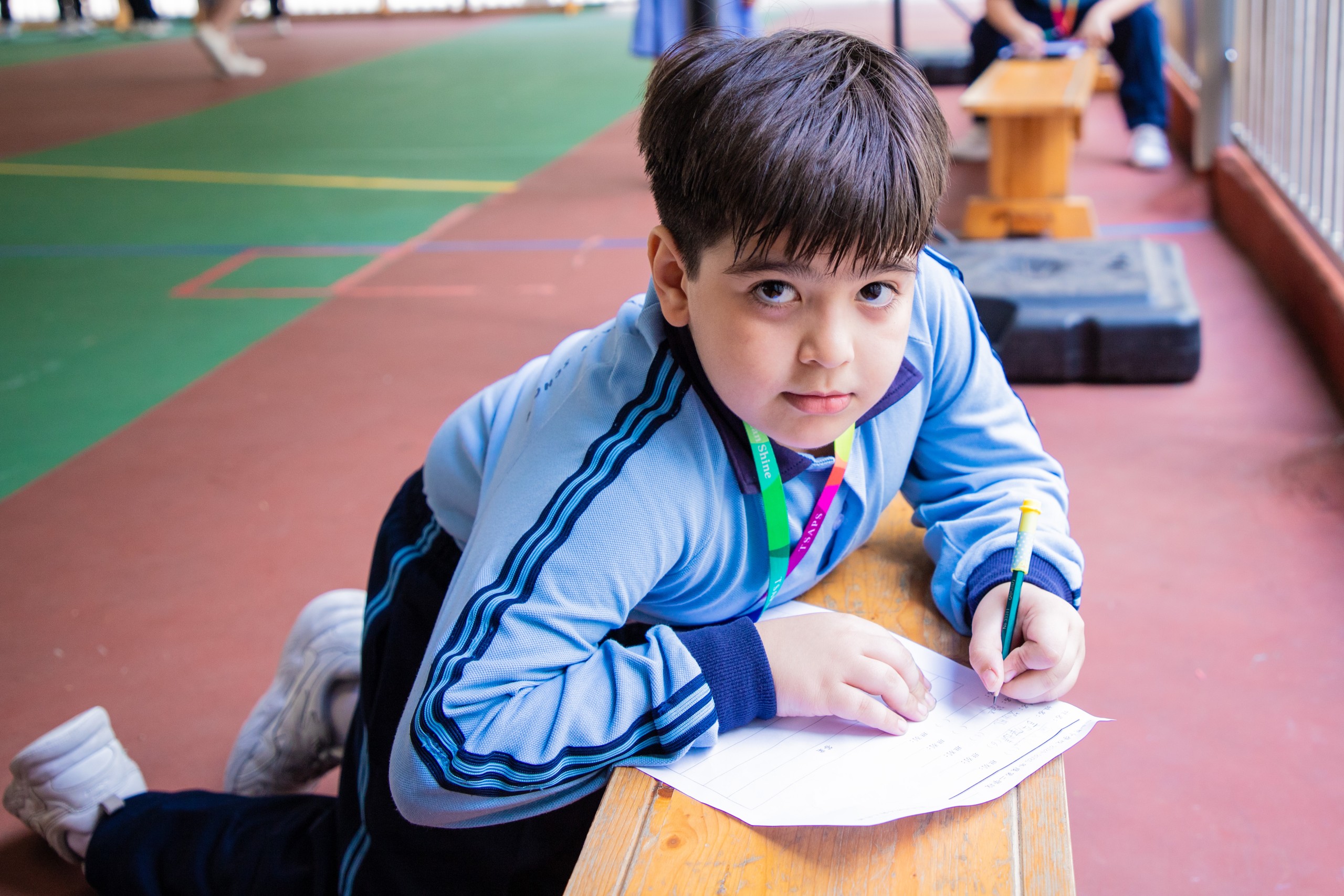
The Math & Science Trail is an engaging learning experience that integrates mathematical and scientific exploration.
Designed to enhance students’ understanding and application of STEM concepts through interaction and hands-on practice, this activity encourages learners to observe, measure, reason, and calculate as they solve a variety of challenging problems.
Throughout the trail, students will discover how math and science are deeply connected to everyday life.
By actively exploring their surroundings, they will experience the practical relevance of these subjects in real-world contexts.
This activity promotes creativity, teamwork, and independent thinking.
Students learn through play and grow through learning.
Through this fun and dynamic trail, they not only grasp fundamental concepts but also develop critical thinking and problem-solving skills—laying a strong foundation for future academic success.
 |
 |
 |
 |
 |
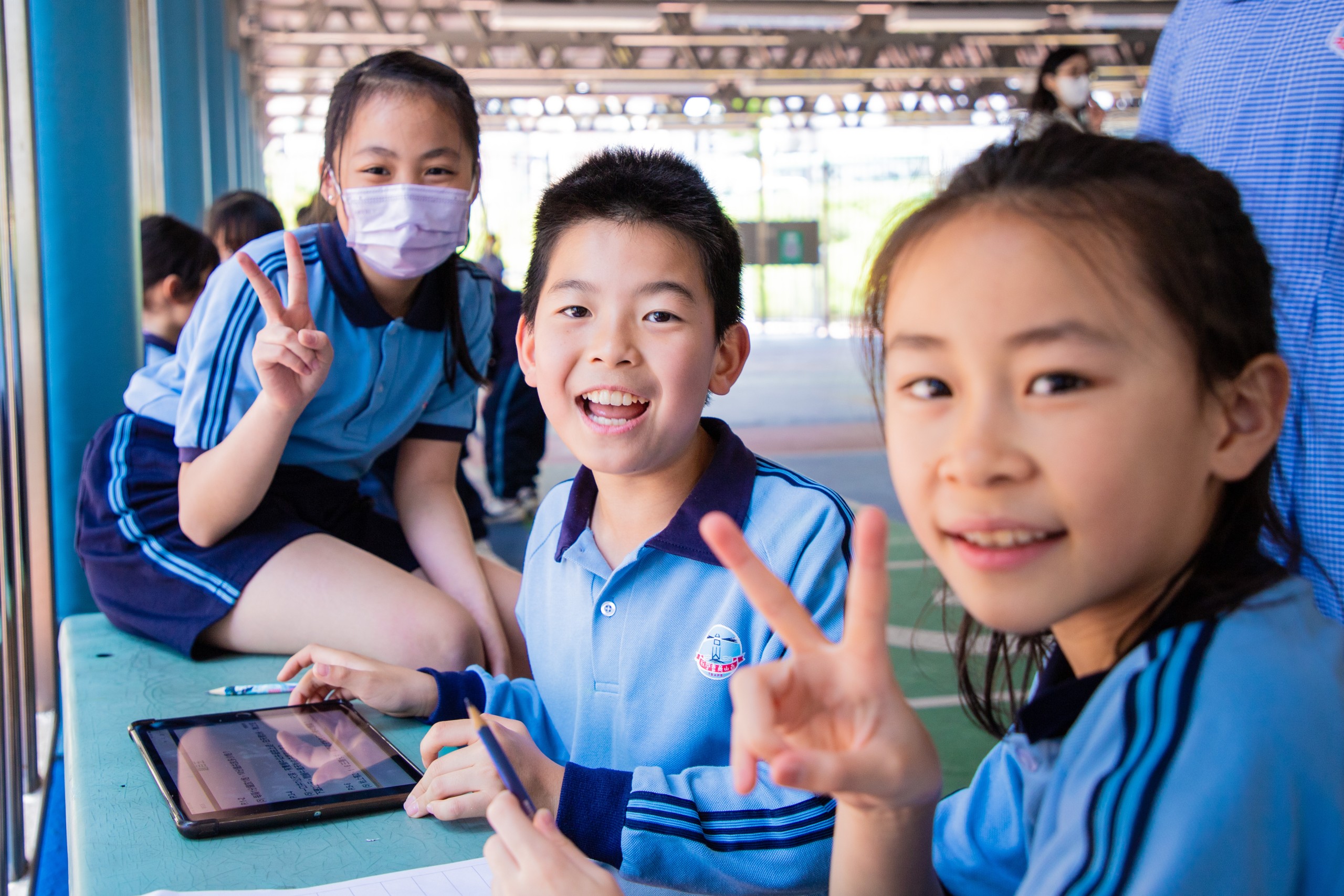 |
Hands-on math activities allow students to experience mathematical concepts directly, rather than simply memorizing formulas or reading from textbooks.
Through practical engagement, students can intuitively understand ideas such as fraction comparison
—for example, by cutting food items, assembling puzzles, or participating in measurement tasks that reveal differences in fractional values.
This approach not only strengthens mathematical thinking but also sparks students’ interest in learning.
By making math more vivid and enjoyable, hands-on experiences help students build a deeper understanding and foster a lasting love for the subject.
.jpeg) |
.jpeg) |
.jpeg) |
.jpeg) |
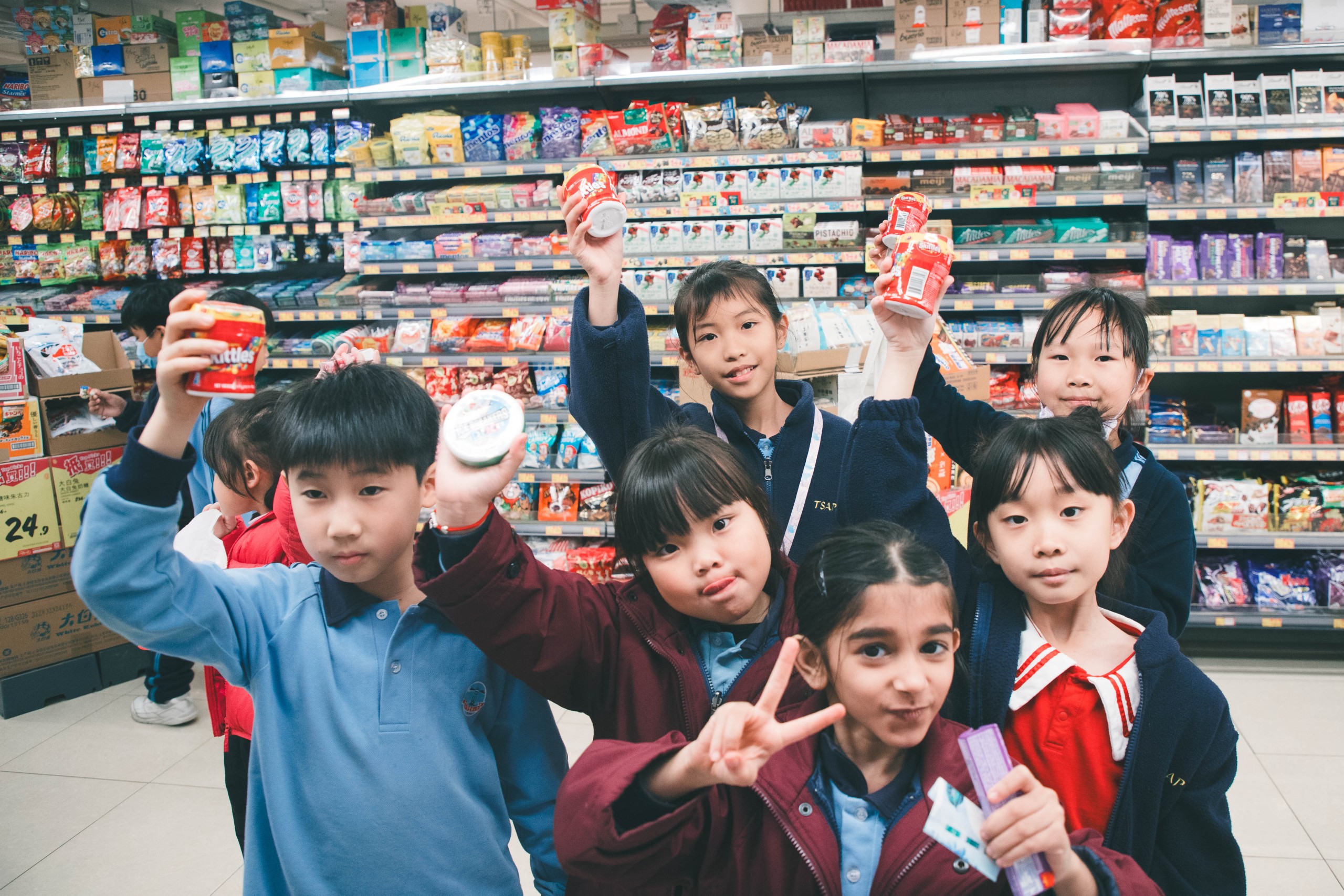
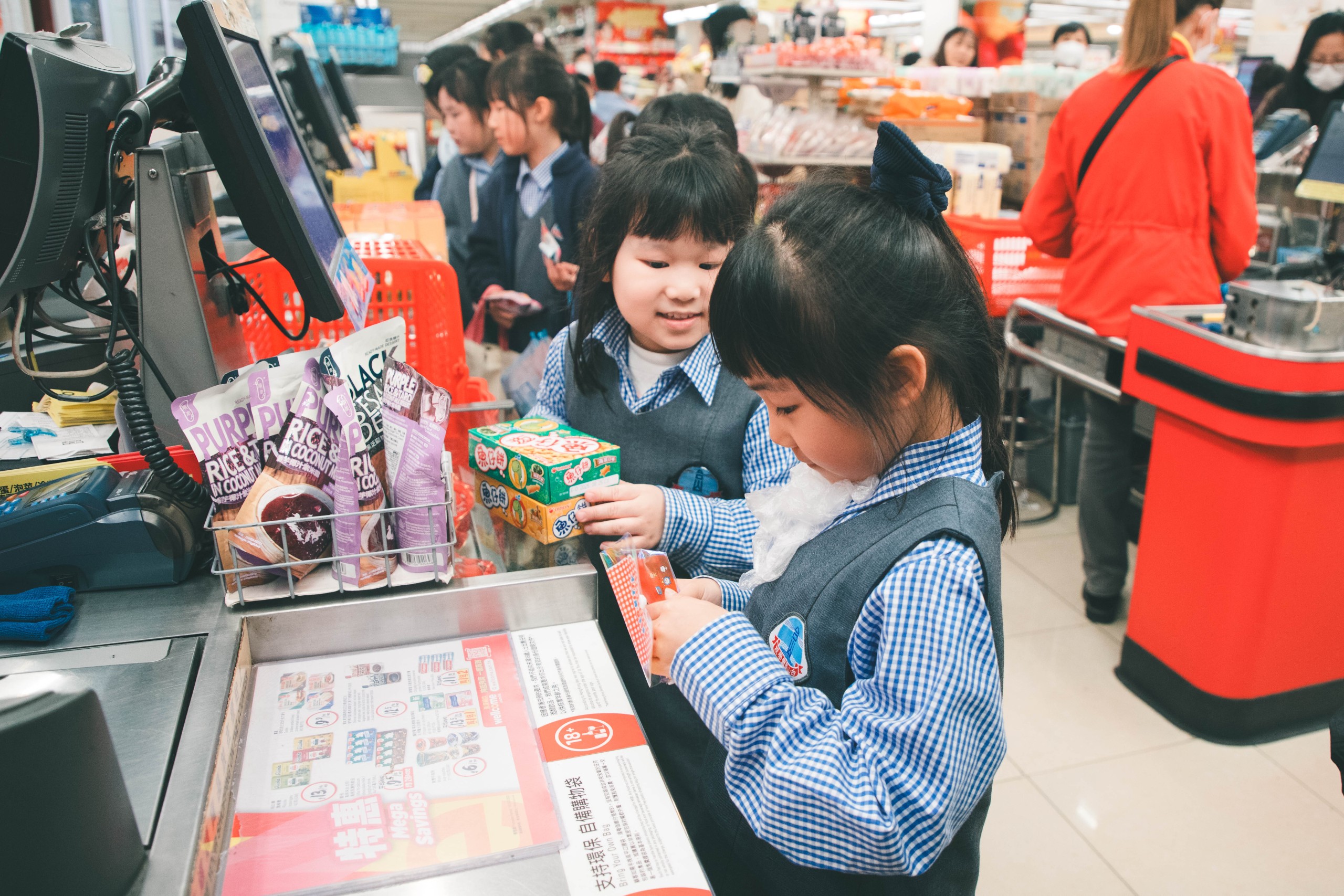
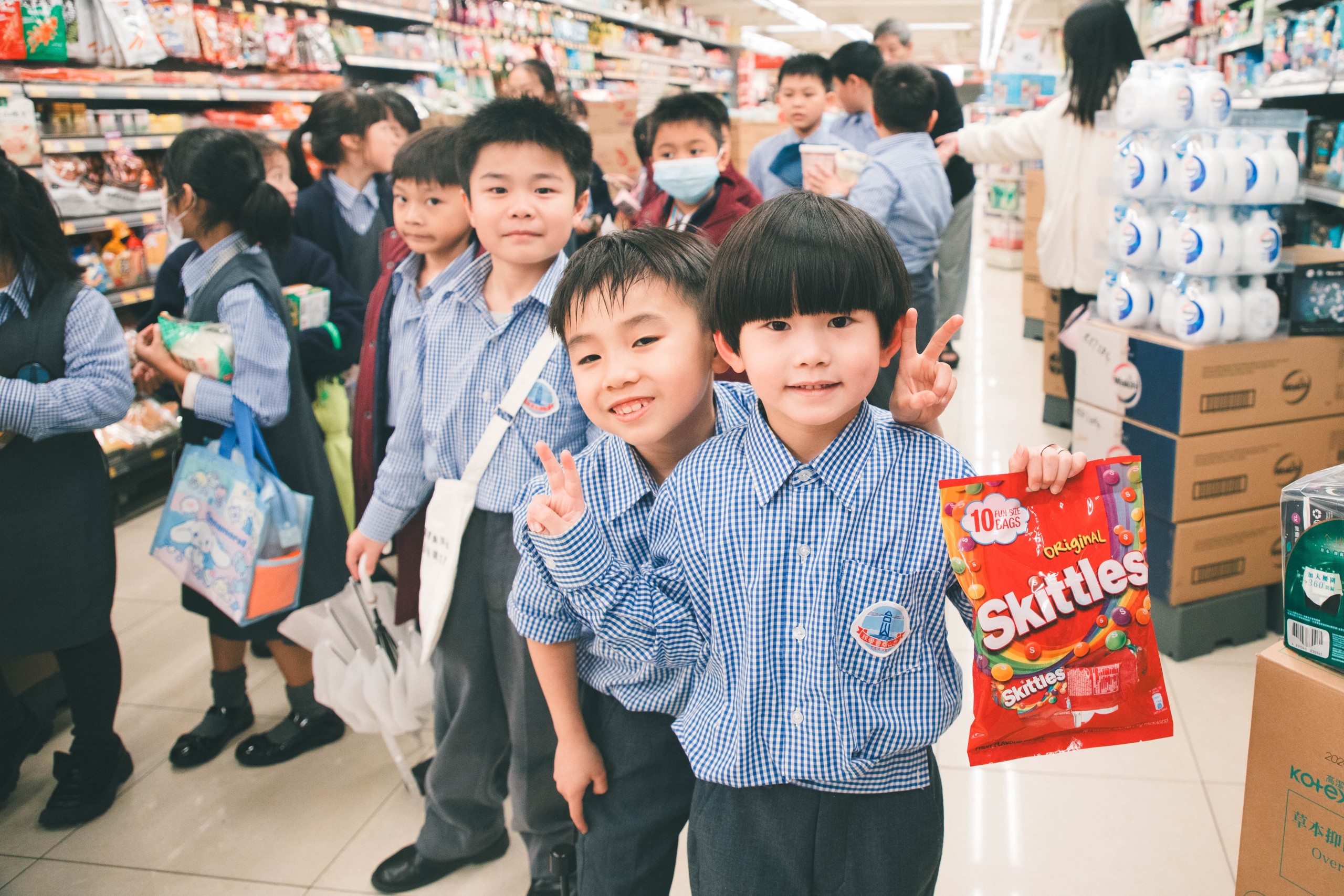
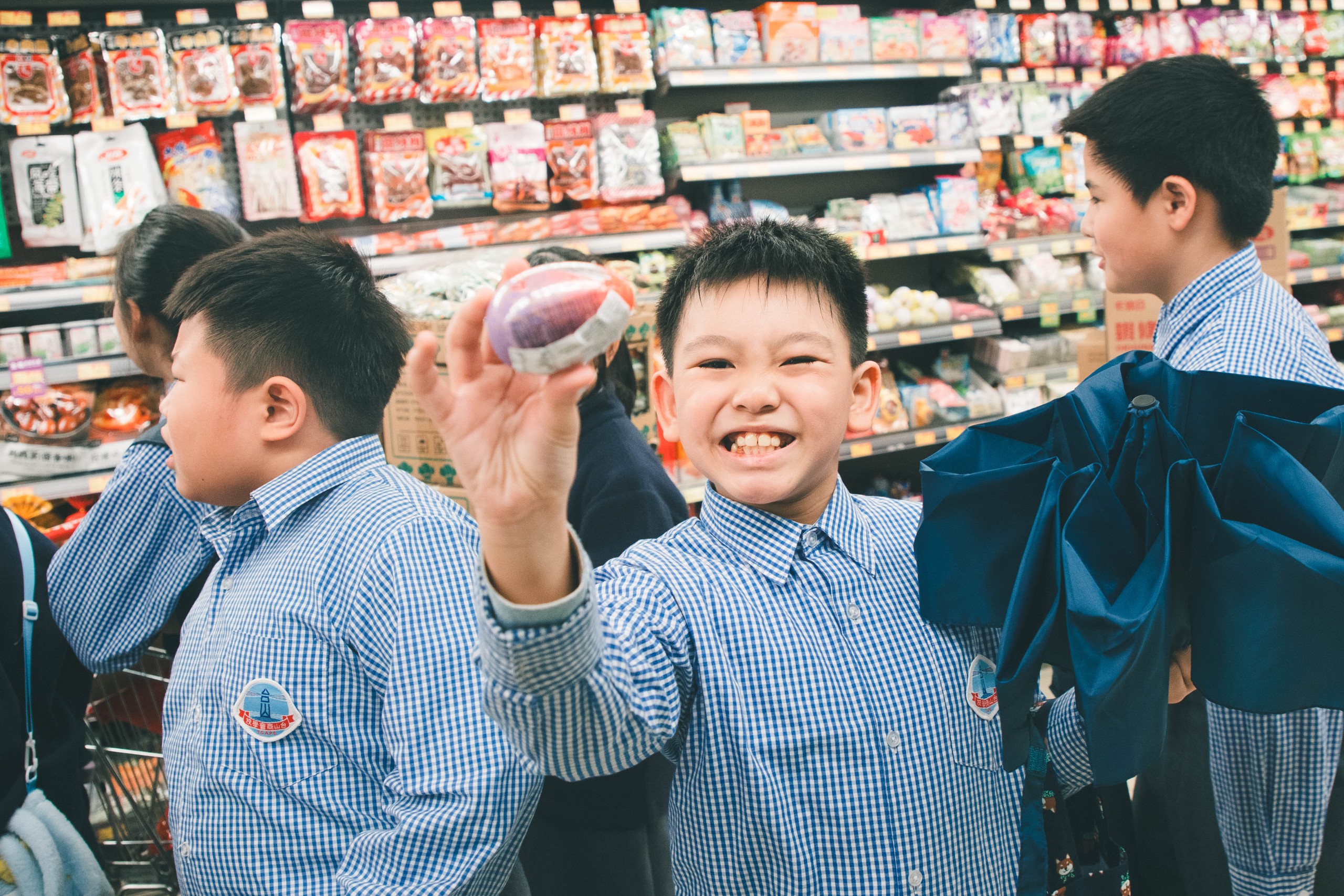
Supermarket Activity
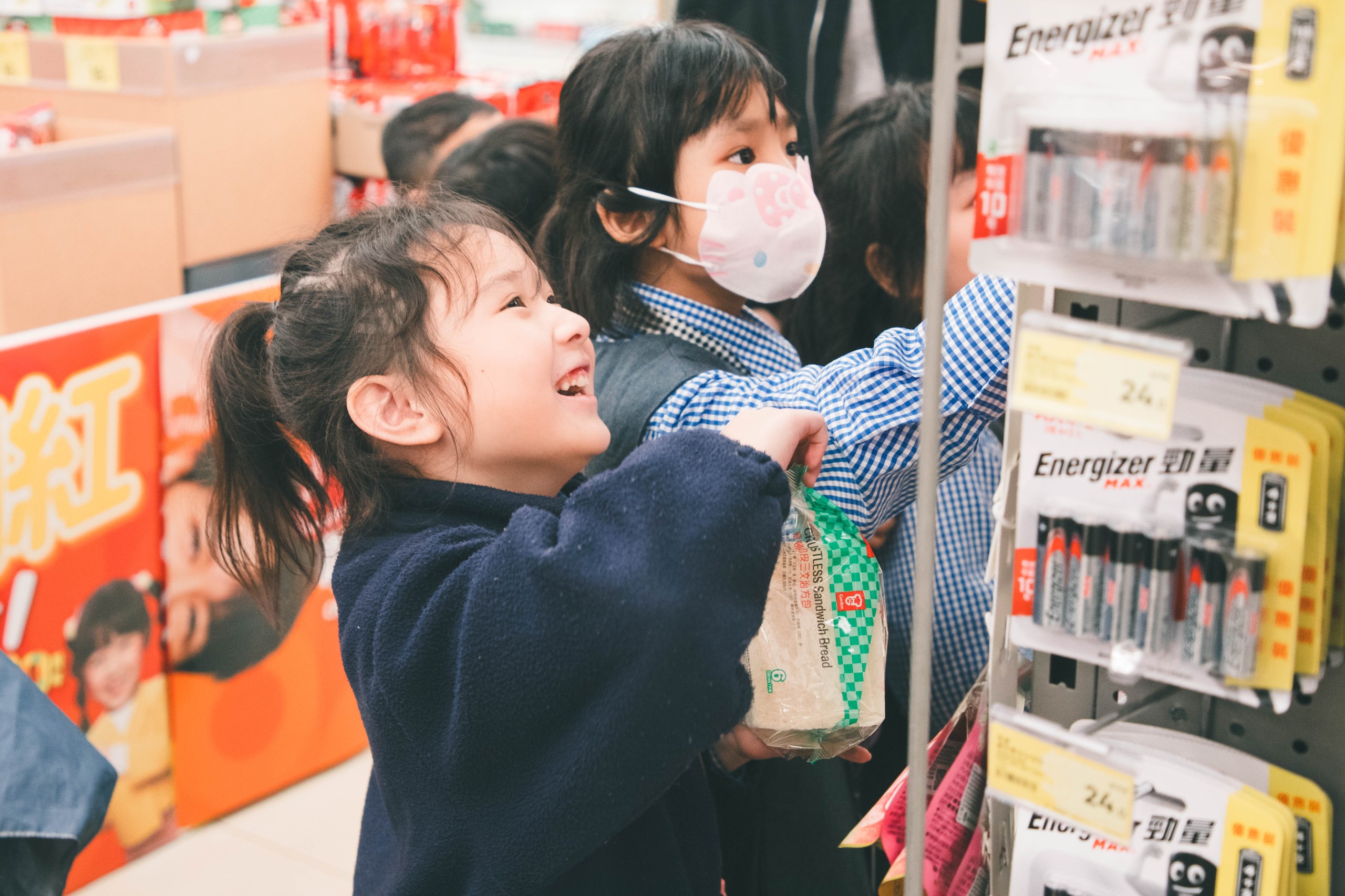
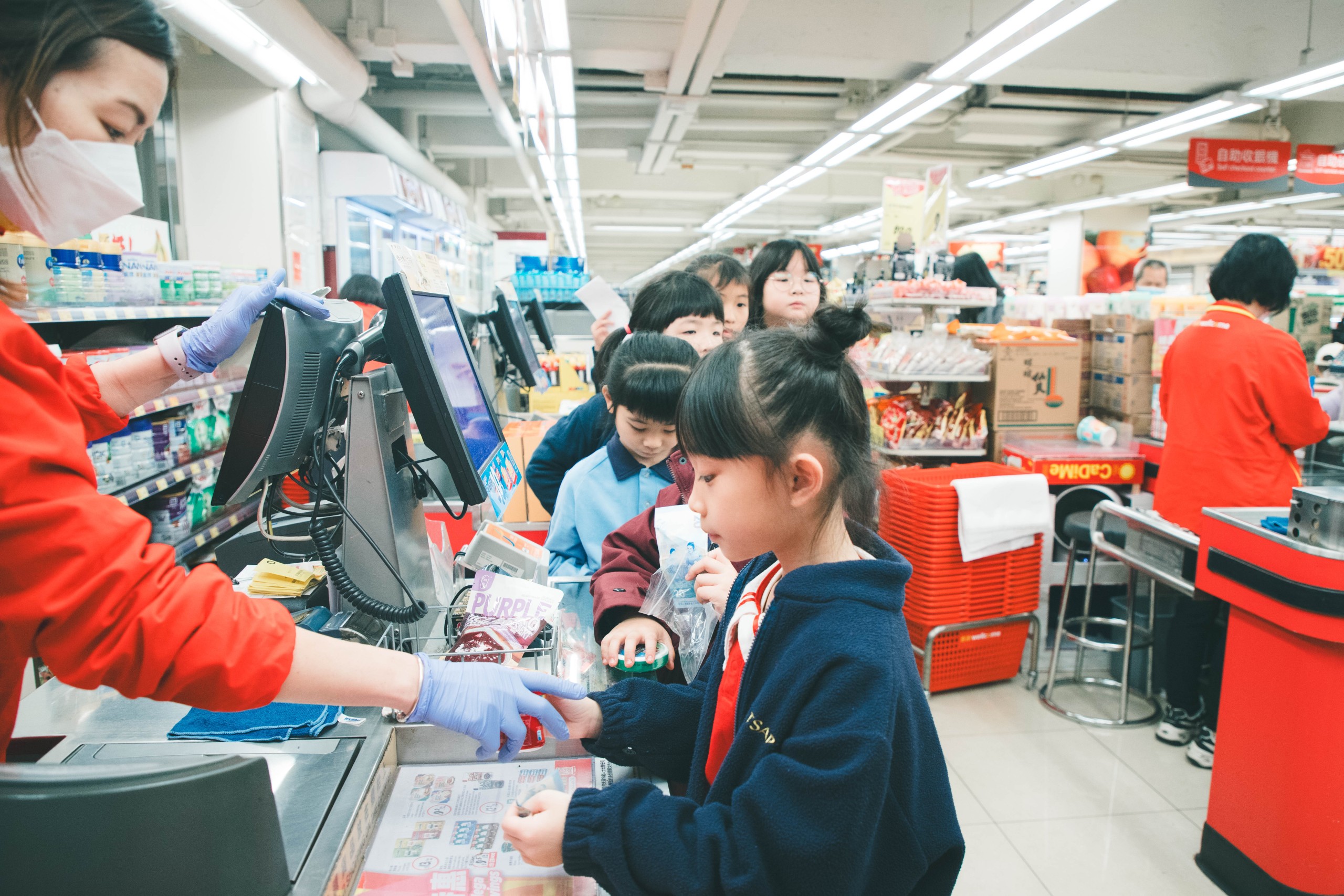
P.2 students stepped outside the classroom to learn mathematics in a real-life setting.
Through a hands-on exploration of Hong Kong currency at a local supermarket, students were excited to apply their knowledge and share their shopping experiences.
Using math in a real-world context proved to be both engaging and effective.
Compared to traditional classroom learning, this immersive experience made mathematical concepts more vivid and relatable.
Teachers also observed students actively applying what they had learned in class to practical situations—an encouraging sign of meaningful progress.
 |
 |
 |
 |
 |
 |


