 Toi Shan Association Primary School





Course Objectives:
- The Chinese language subject takes "Rooting in Language, Inheriting Culture" as its core philosophy. It integrates modern teaching methods with the nurturing influence of classical culture to cultivate solid language abilities and profound humanistic qualities in students.
- Students are encouraged to develop self-learning habits and master and apply effective self-learning strategies.
- The aim is to enhance students' reading skills and foster good reading habits (creating a positive reading atmosphere).
- Students' multi-faceted achievements are recognized to strengthen their positive thinking.
- Ultimately, students should not only become proficient in Chinese but also discover joy in the language and build confidence through cultural inheritance.
Features:
1.Teaching Chinese in Mandarin
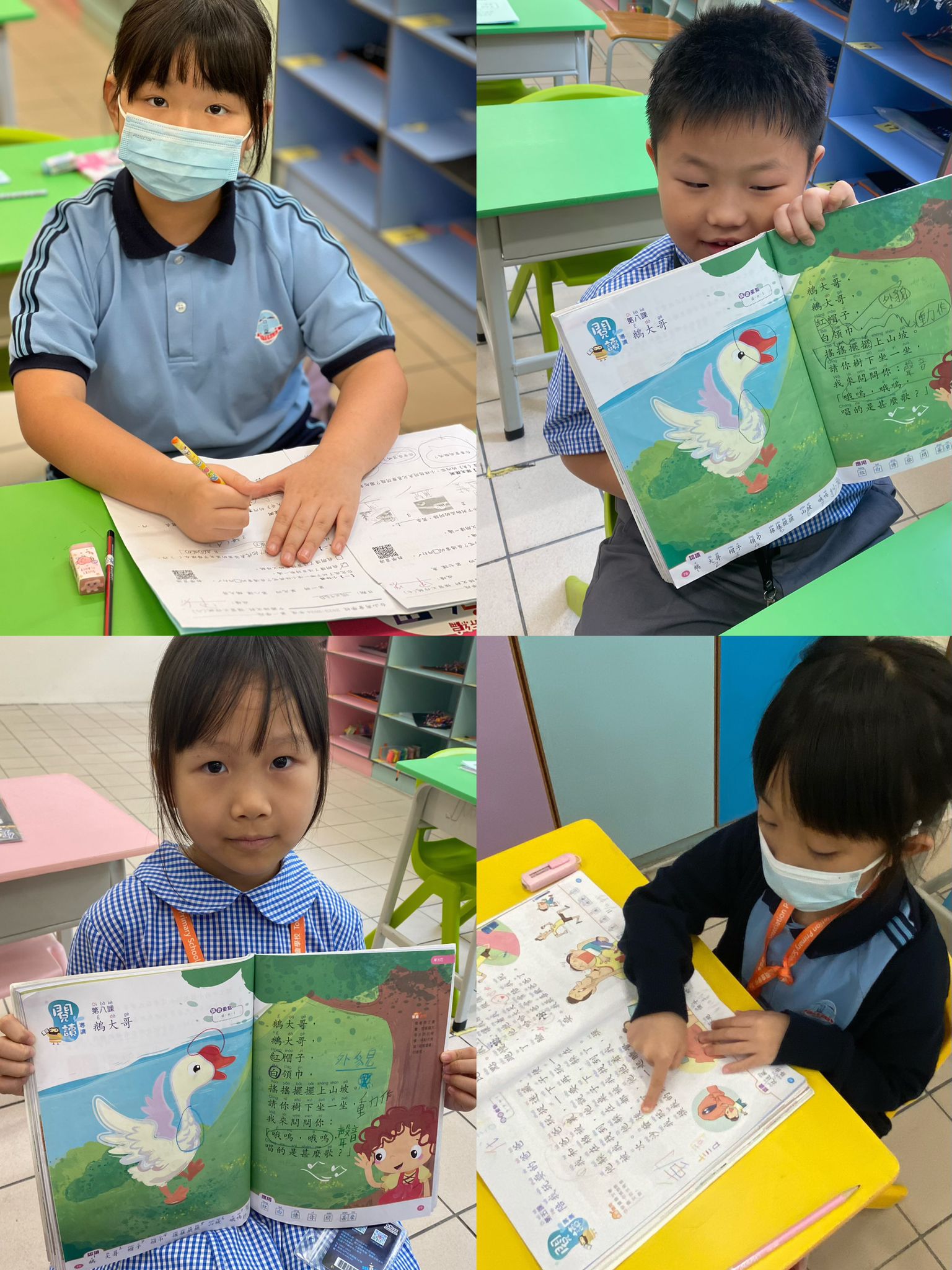
Mandarin is comprehensively implemented as the instructional language.
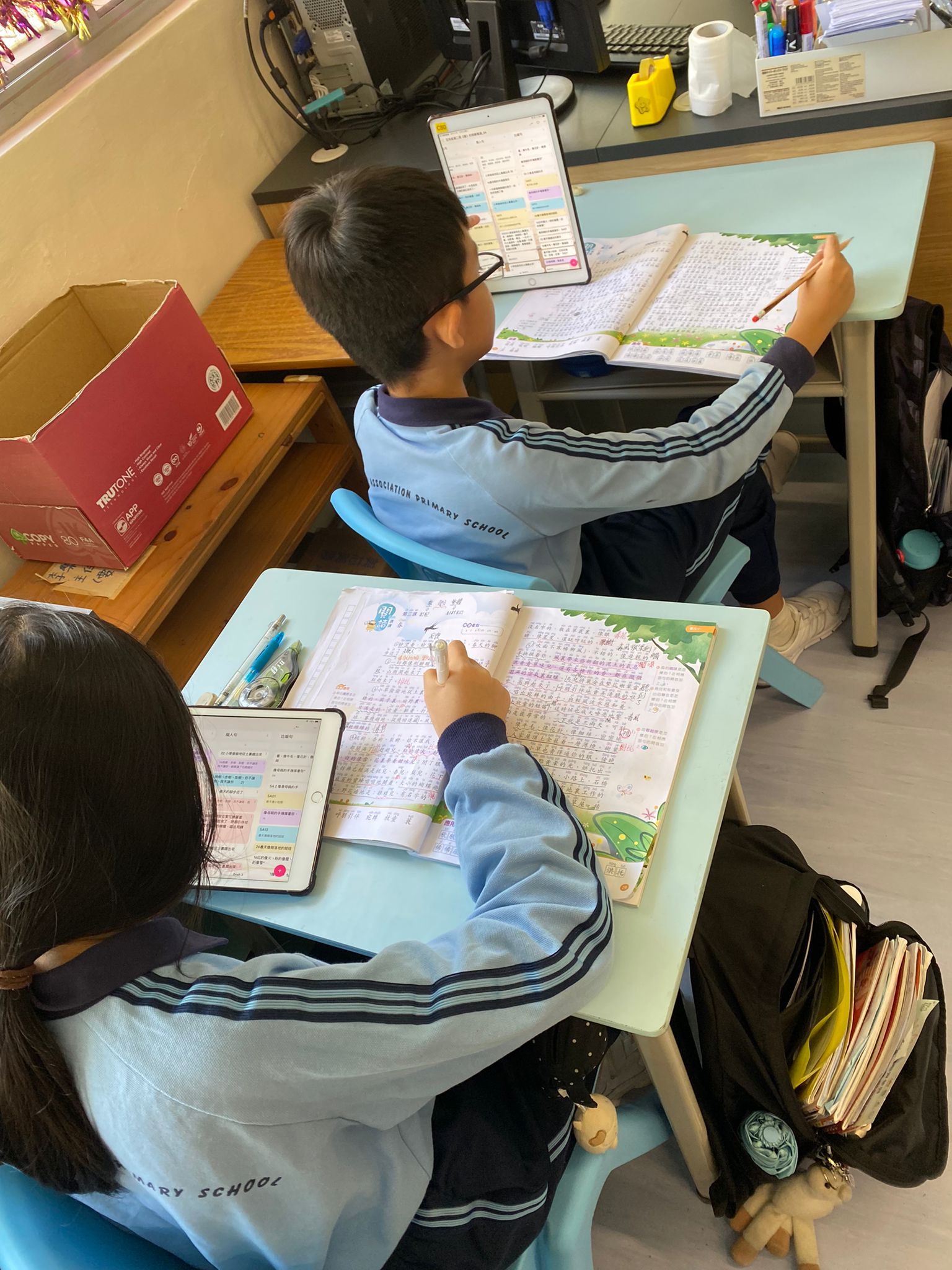
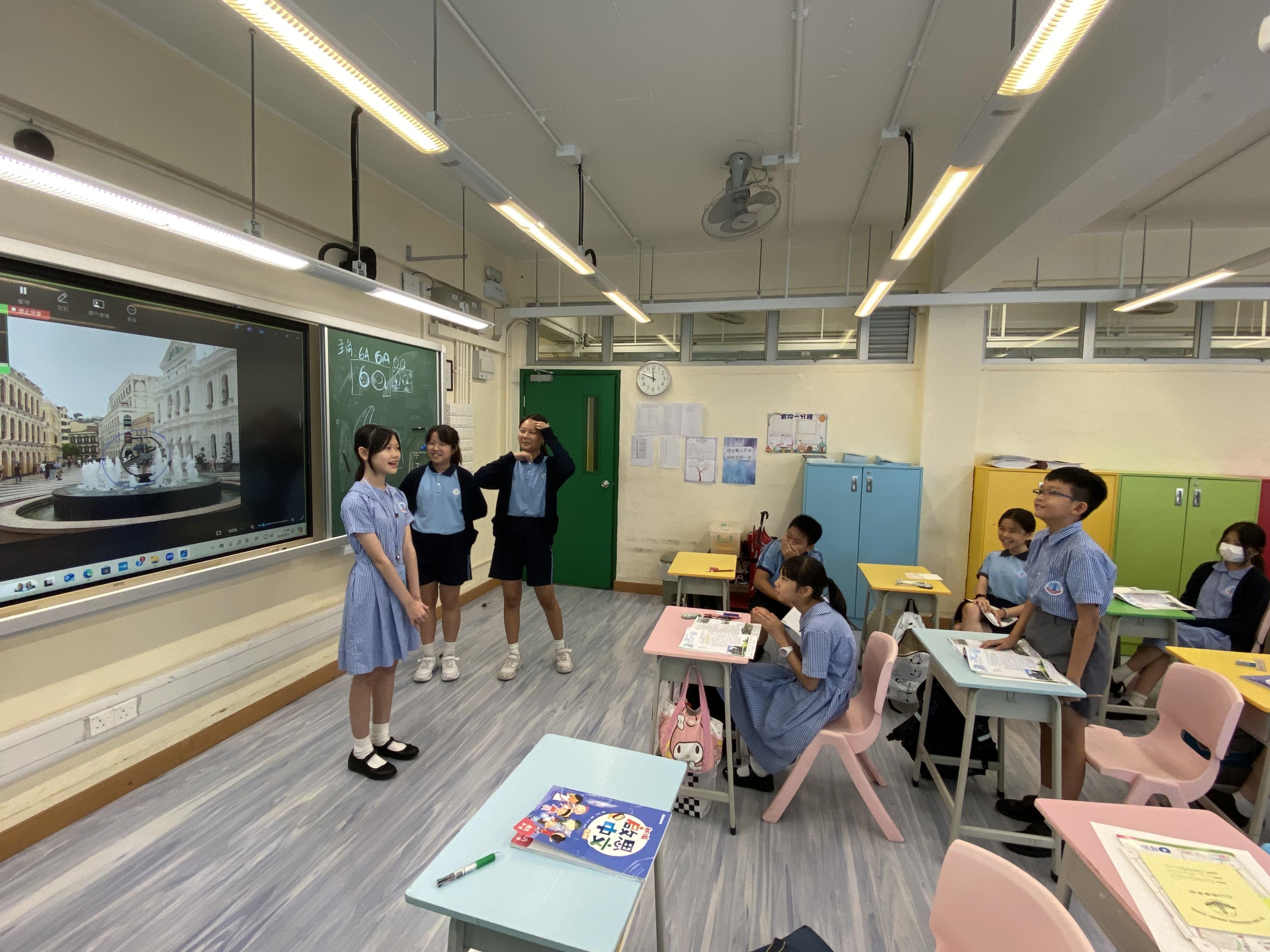
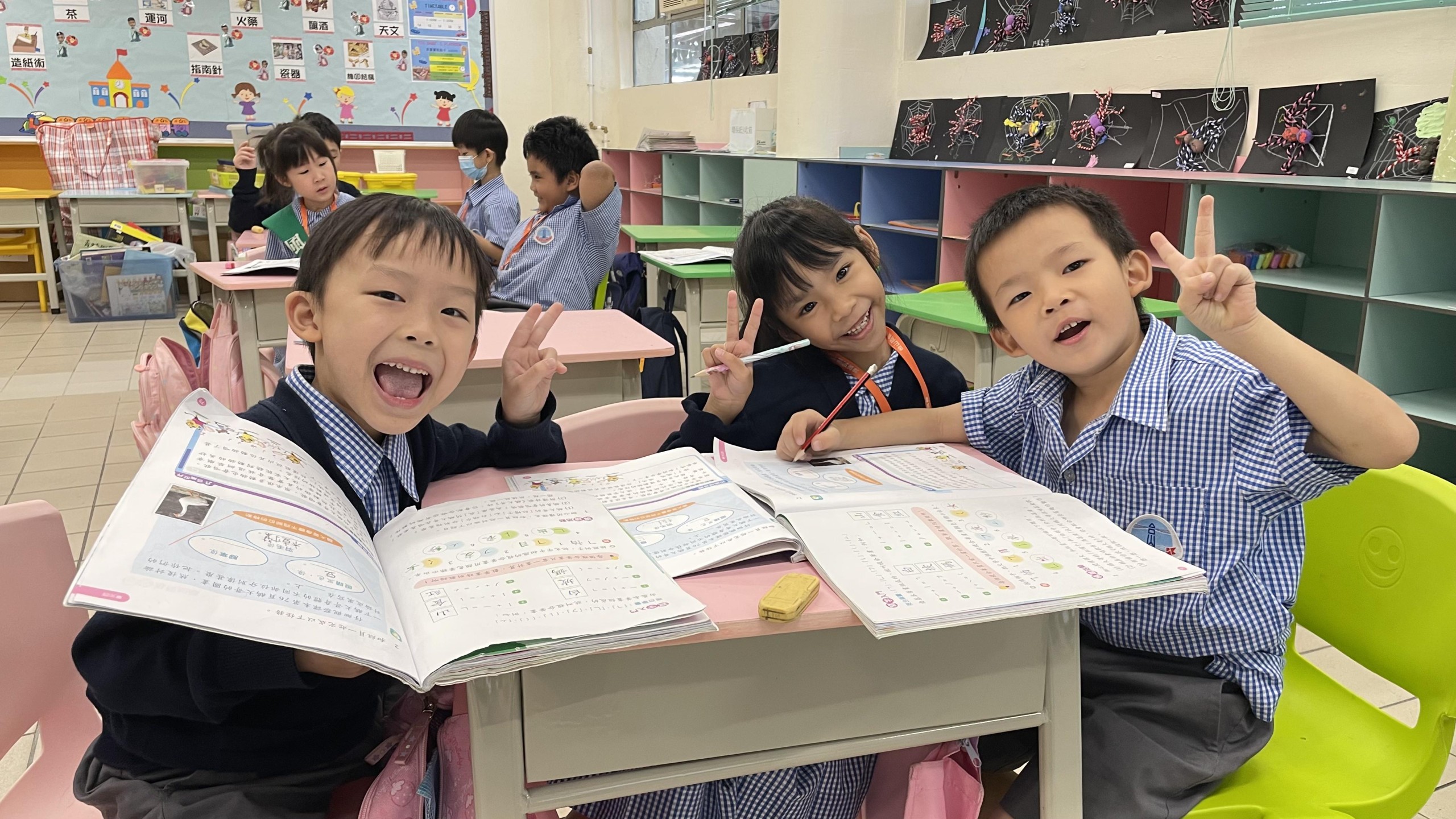
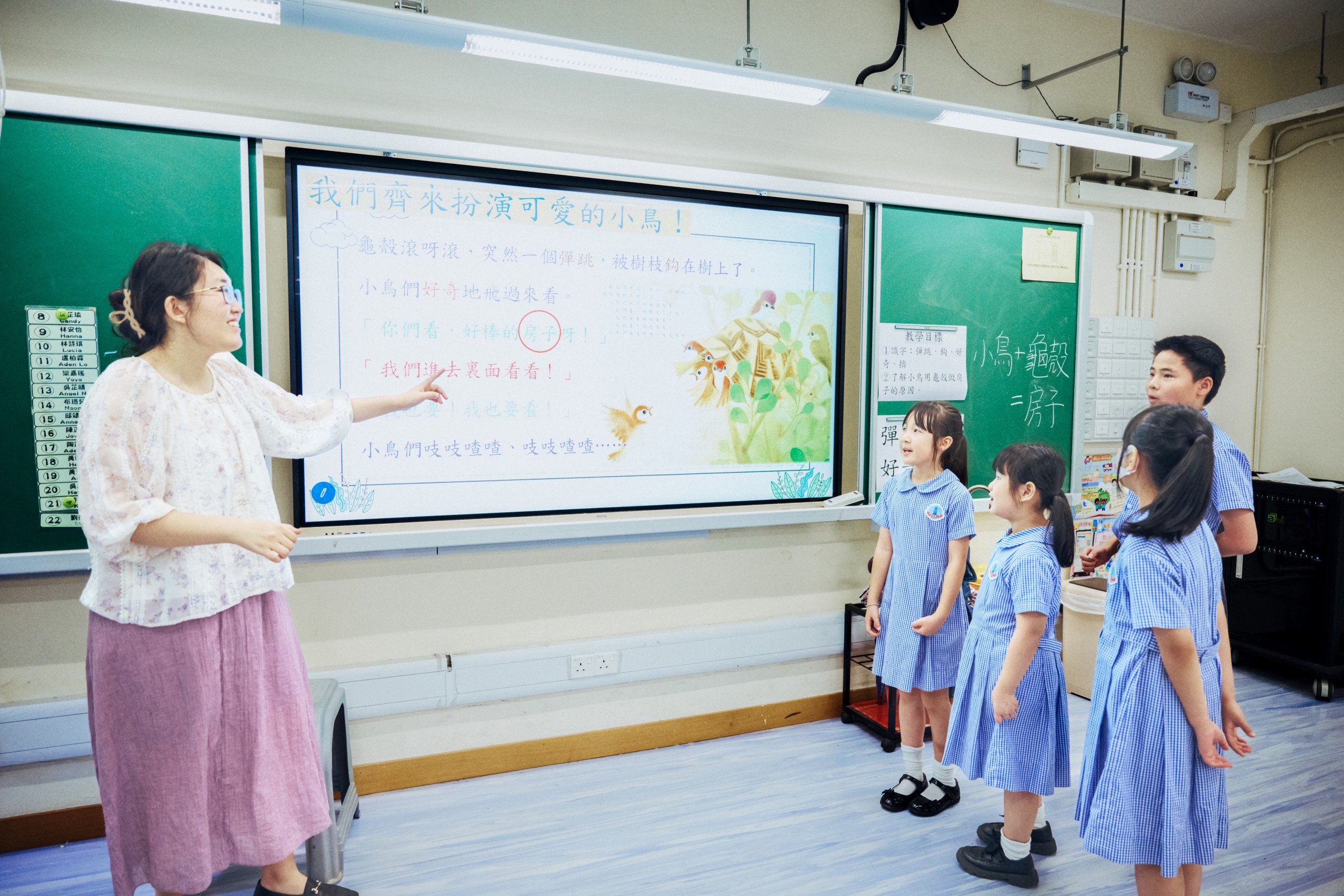
Through diverse forms such as cooperative learning and recitation exercises, an immersive language environment is created.
This systematically improves students' comprehensive abilities in listening, speaking, reading, and writing, laying a solid foundation in Chinese language.
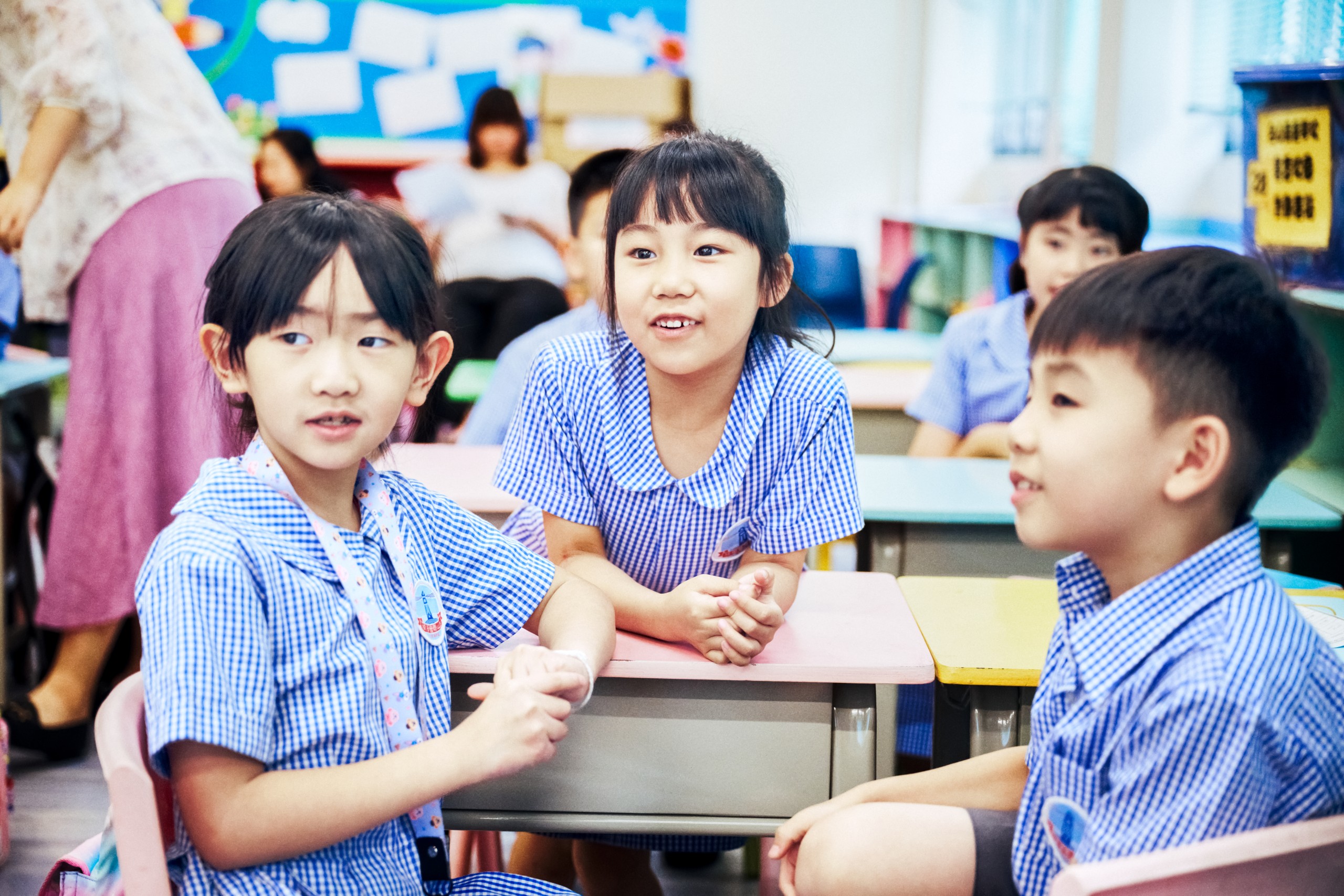
Students read texts aloud in Mandarin in the classroom.
|
|
 |
 |
2. Library-Based Instruction
For lower grades, carefully selected picture books and transitional readers are used, combined with storytelling competitions to stimulate students' interest in reading.
For higher grades, classical literary works are introduced to cultivate advanced text comprehension skills.
Interactive teaching methods, including drama performances and story creation, enable students to naturally master vocabulary usage and expression techniques through engaging practices.
 |
 |
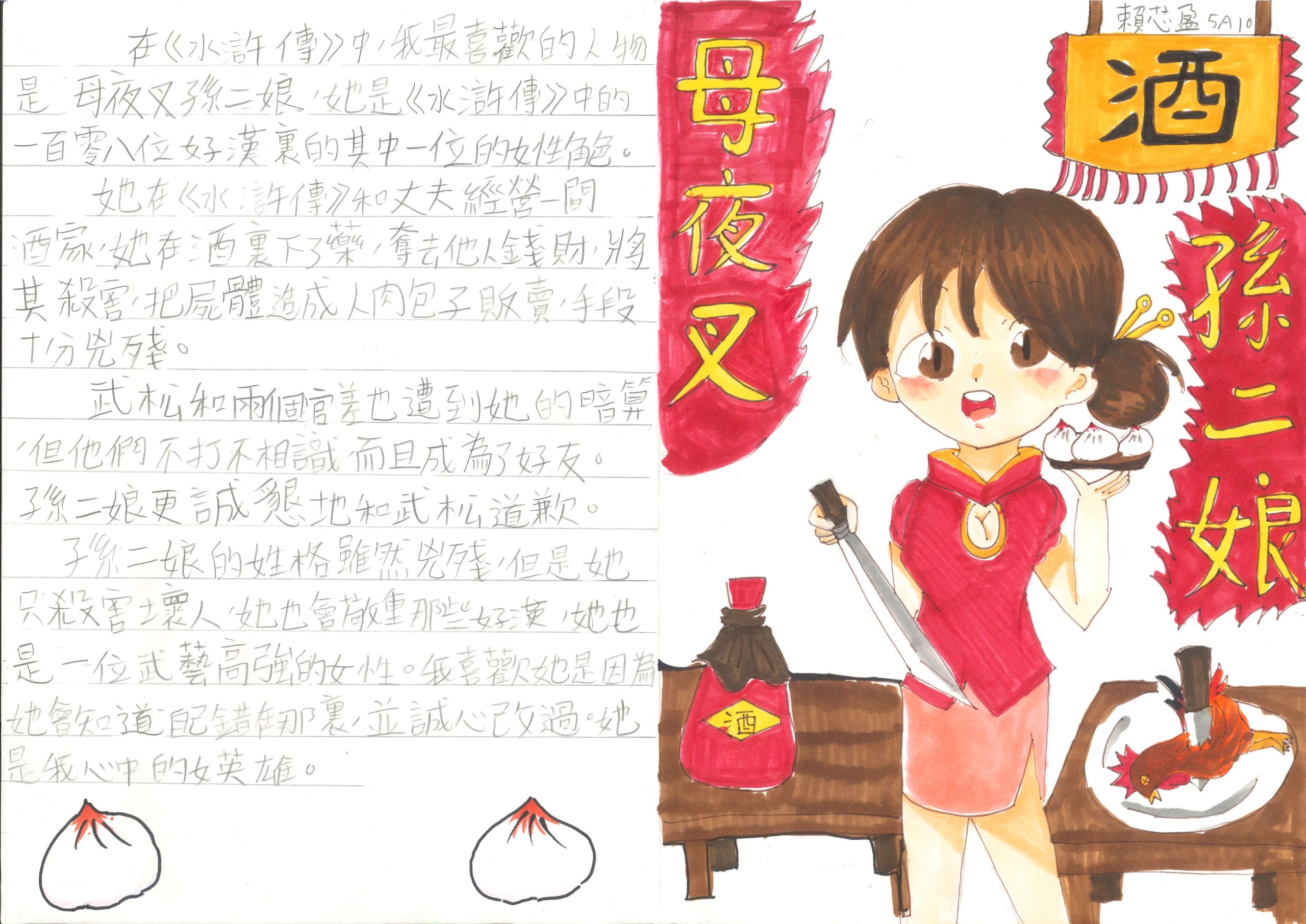
3. Creative Writing
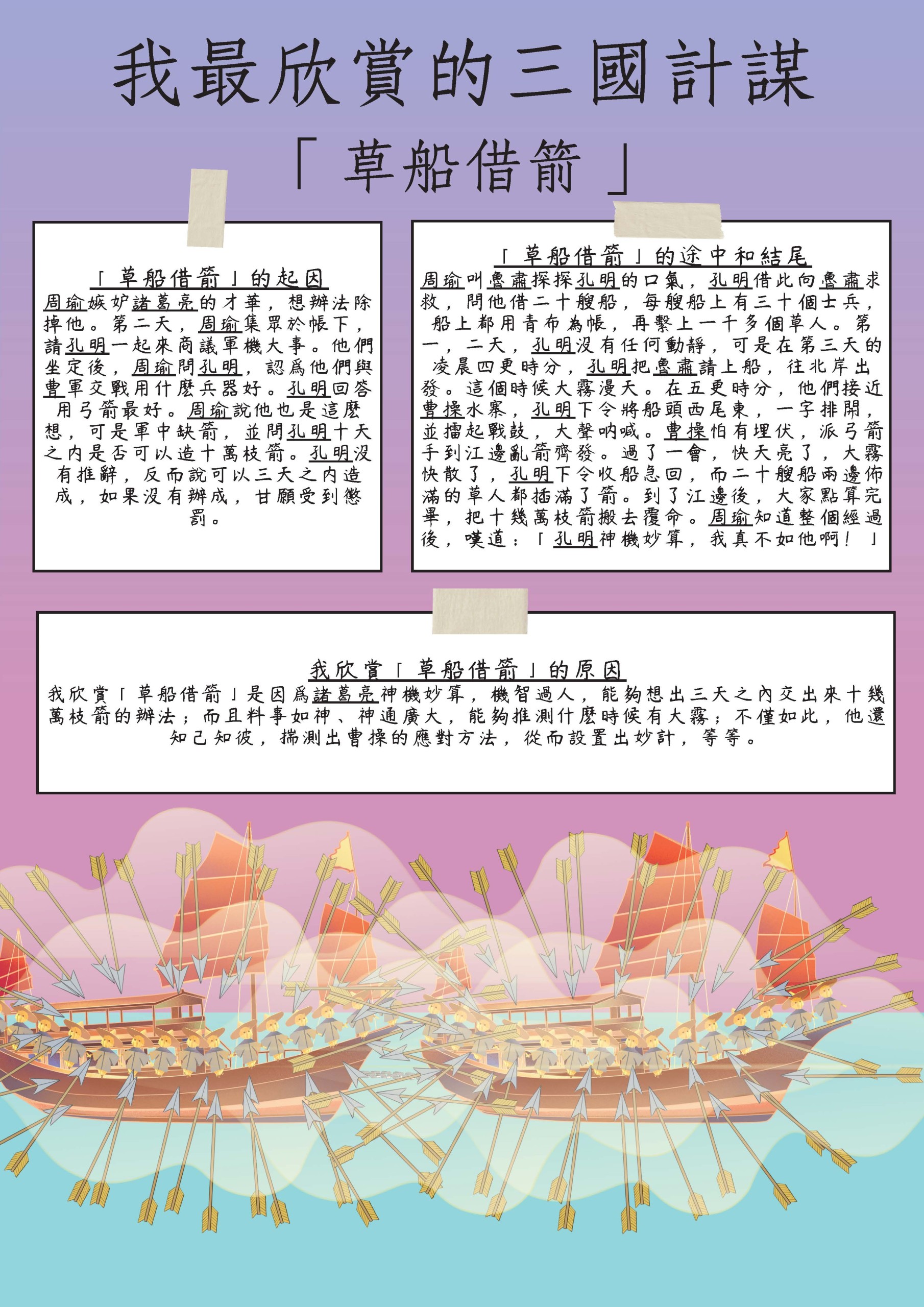
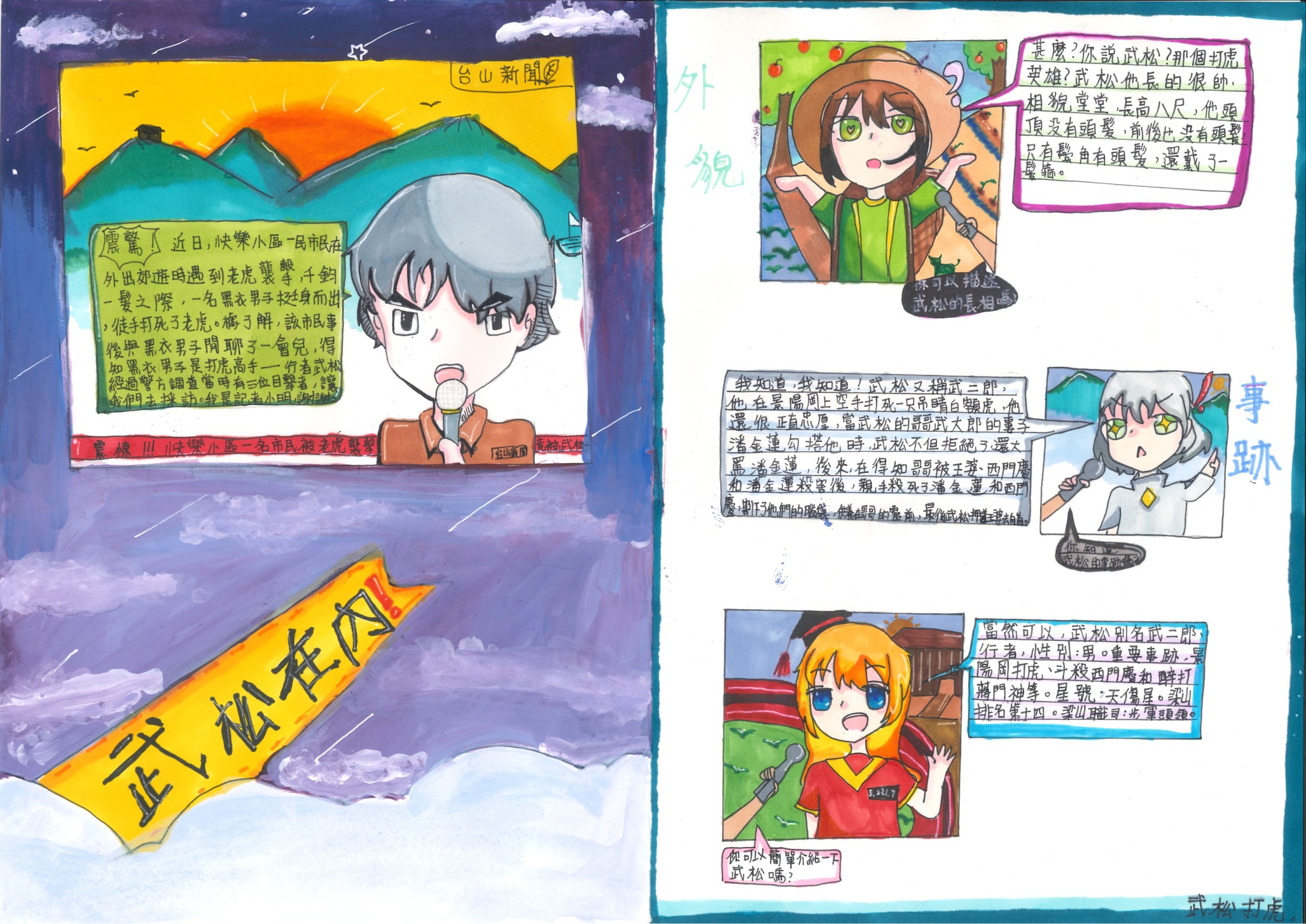
Creative writing allows students to learn various creative techniques and stimulate their observation, association, and imagination through relaxed activities.
Teachers train students in the thinking processes and methods, thereby enhancing their abilities in organization, expression, and writing, enabling them to create diverse and life-oriented works.
.jpg) |
 |
.jpg) |
 |
 |
4. Joyful Reading and Writing
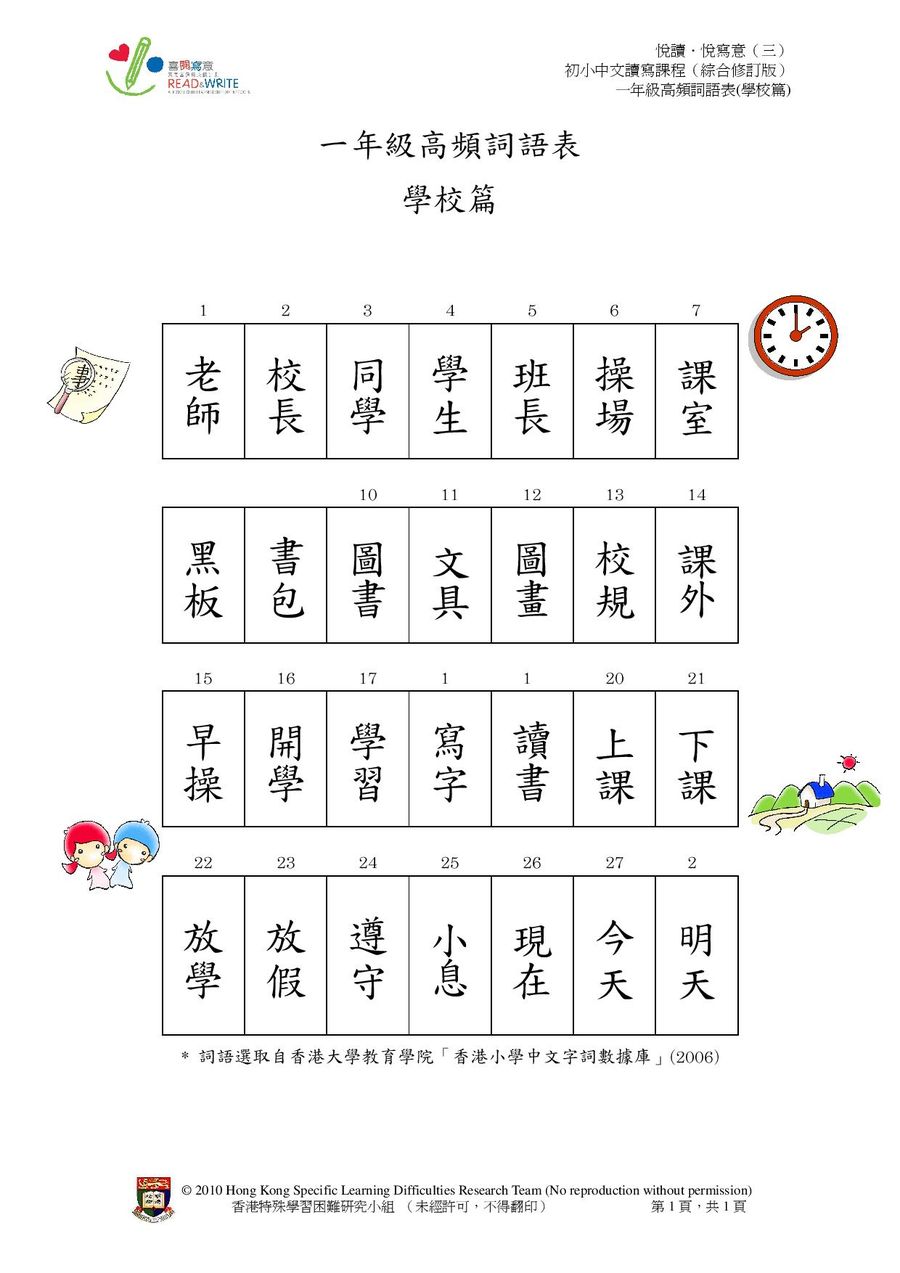
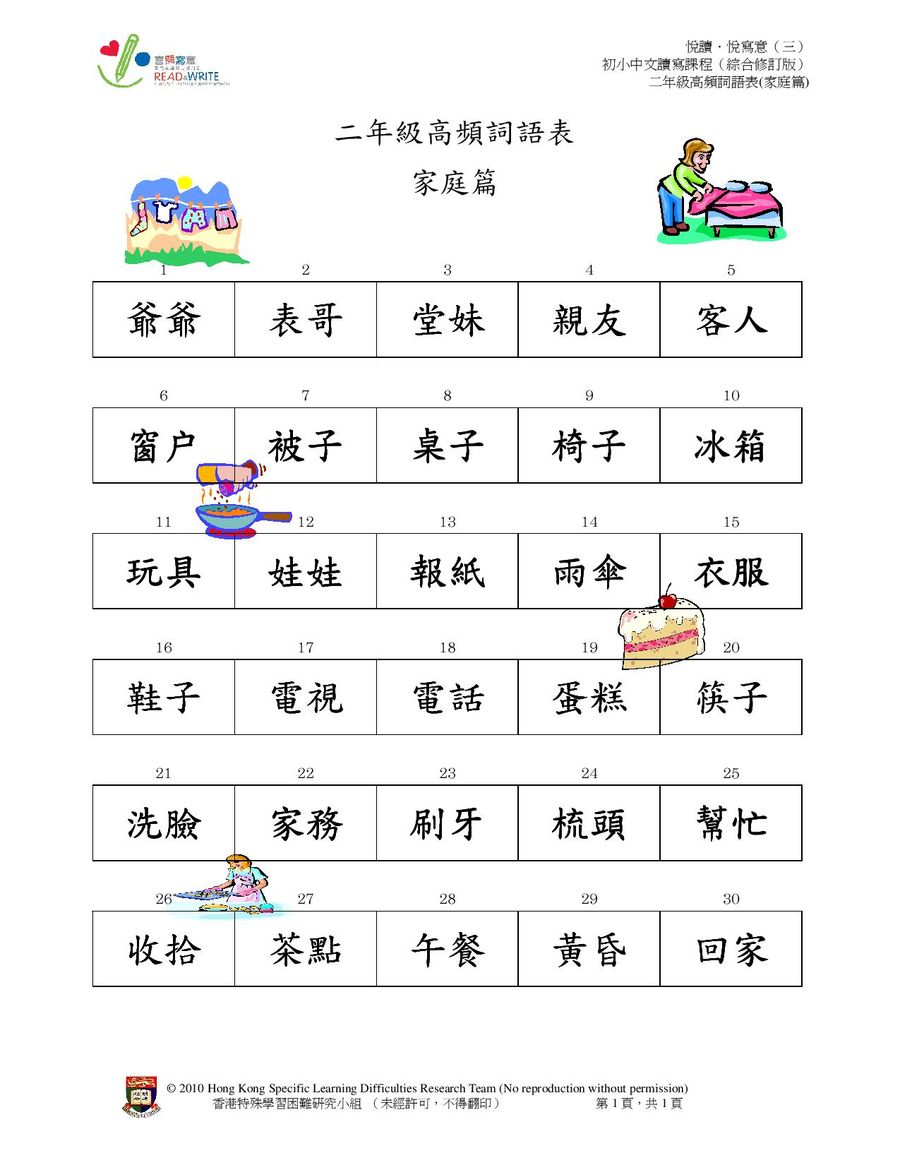
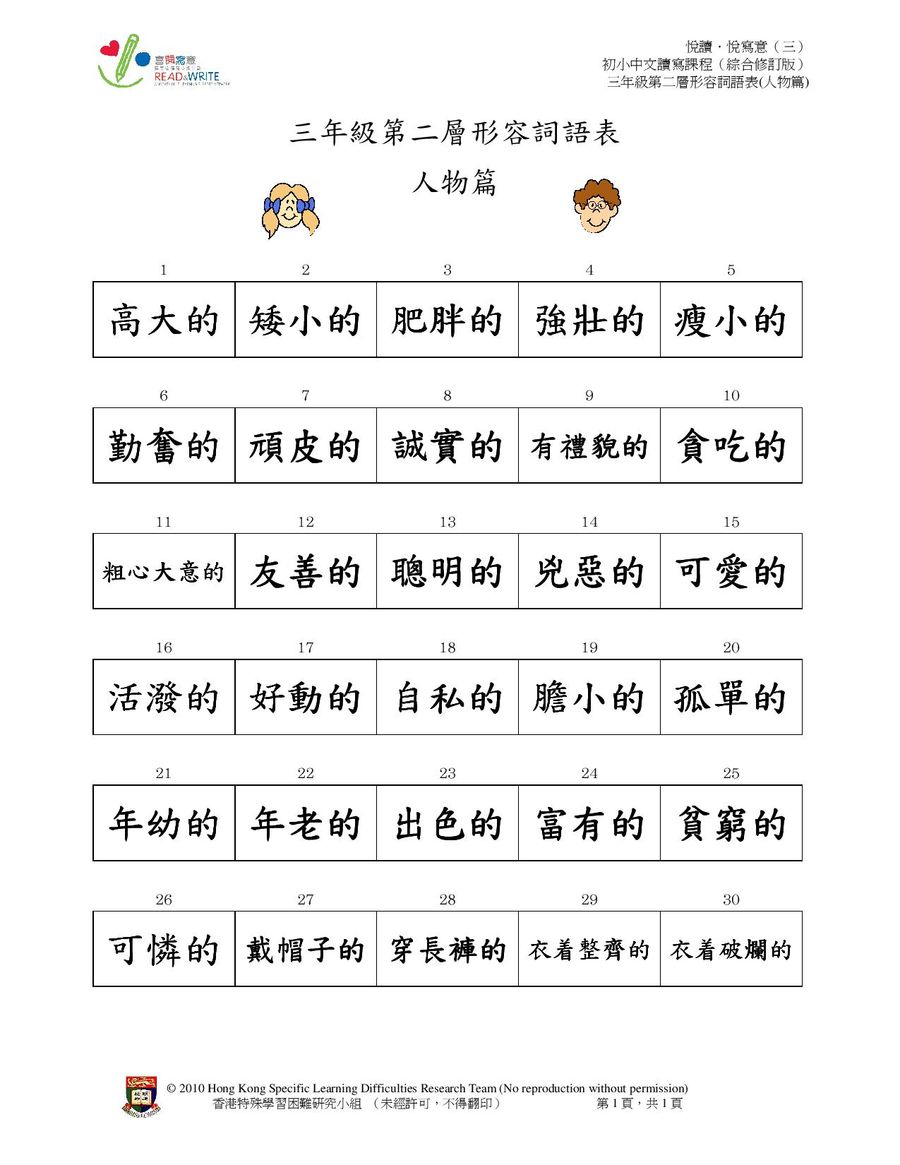
Our school implements the "Joyful Reading, Joyful Writing" program for first, second, and third graders.
Starting from the first grade, students learn various basic Chinese language learning strategies.
In the second grade, they consolidate these learning concepts.
Finally, in the third grade, they integrate these language learning strategies into two major categories:"Reading" and "Writing."
This progressive approach enables students to master the fundamental methods of learning Chinese.
|
Learning Support |
|
Reading Buddies: |
|
Small-Group Instruction: |
 |
 |
 |
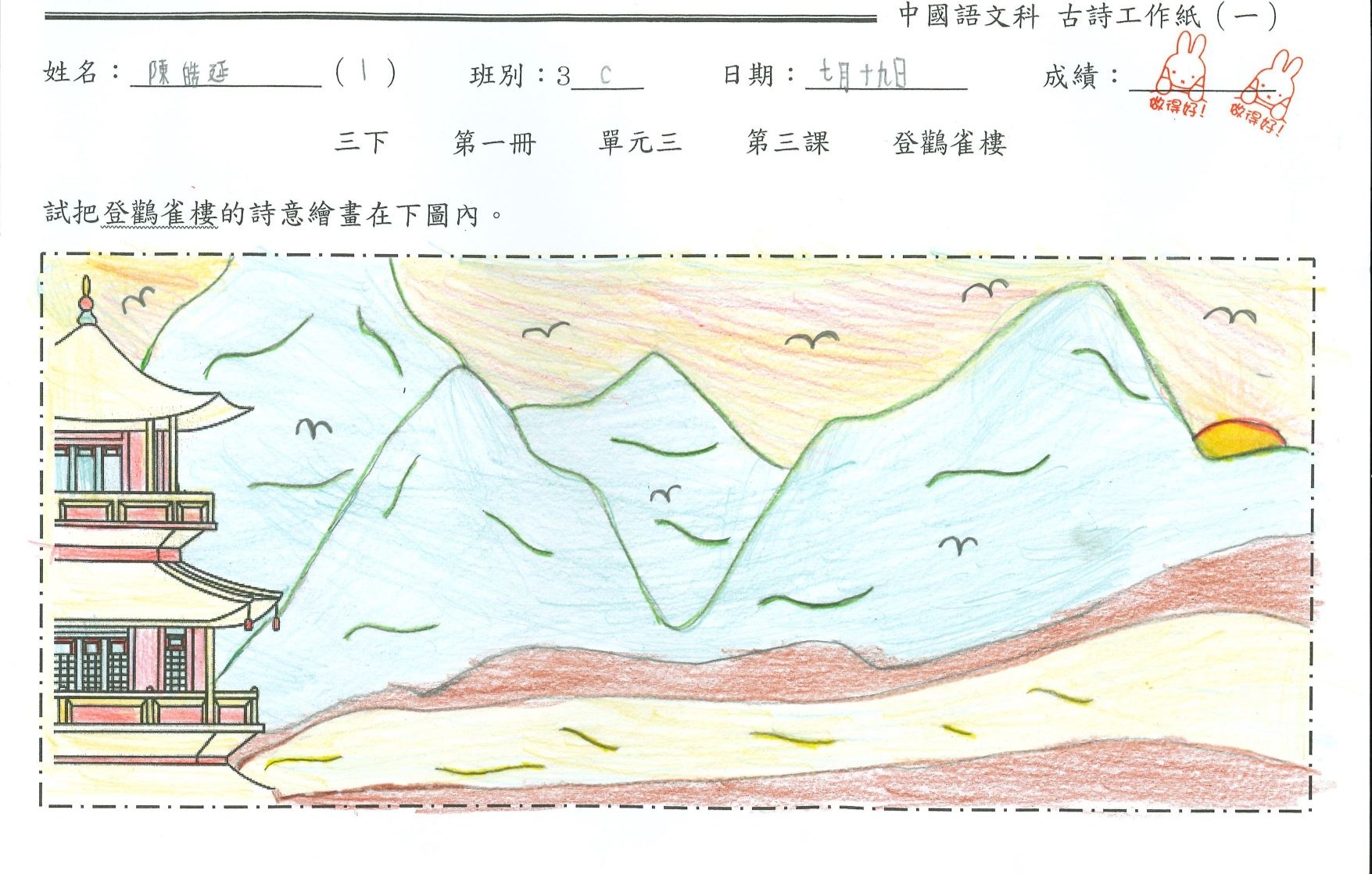
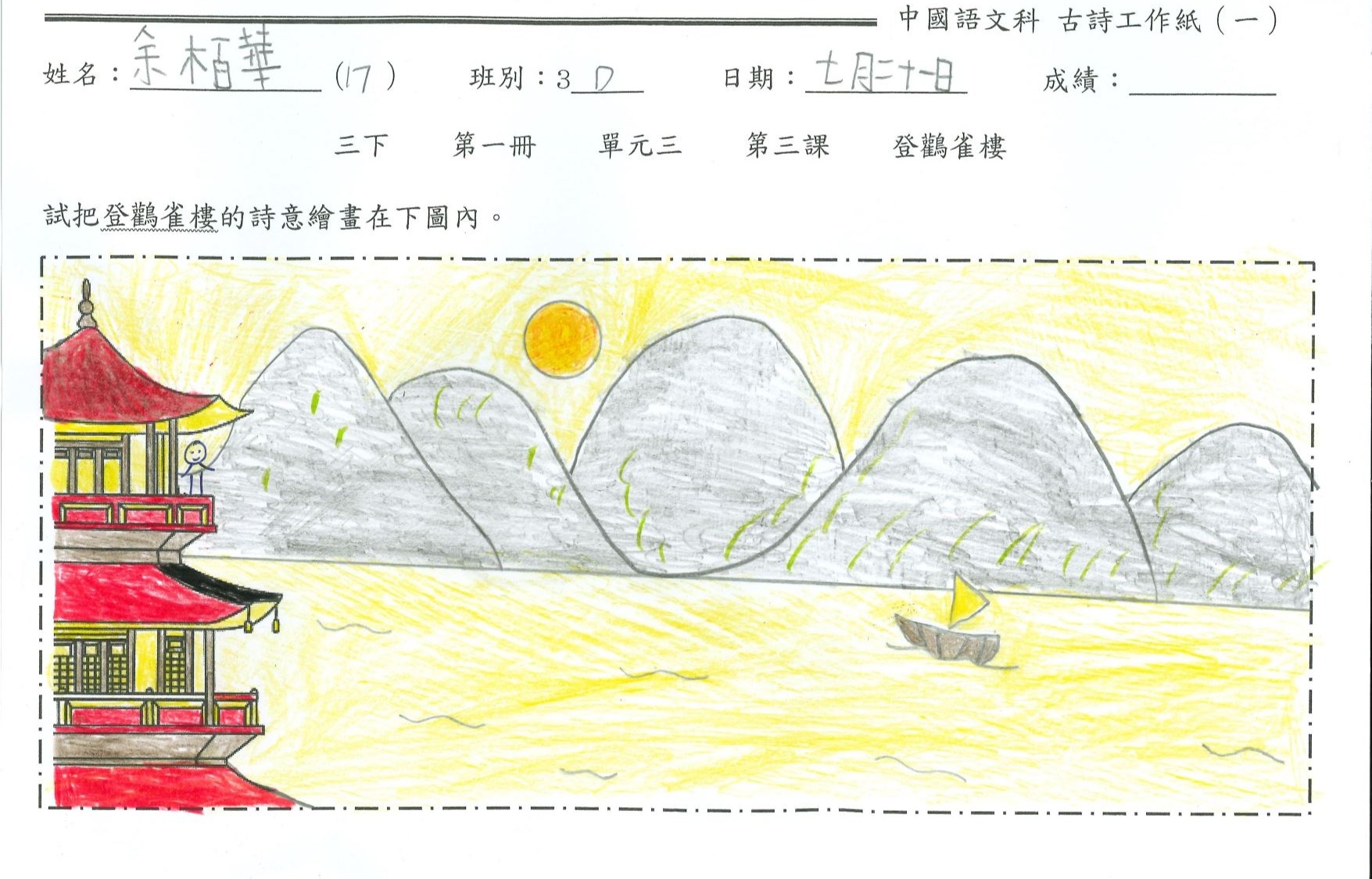
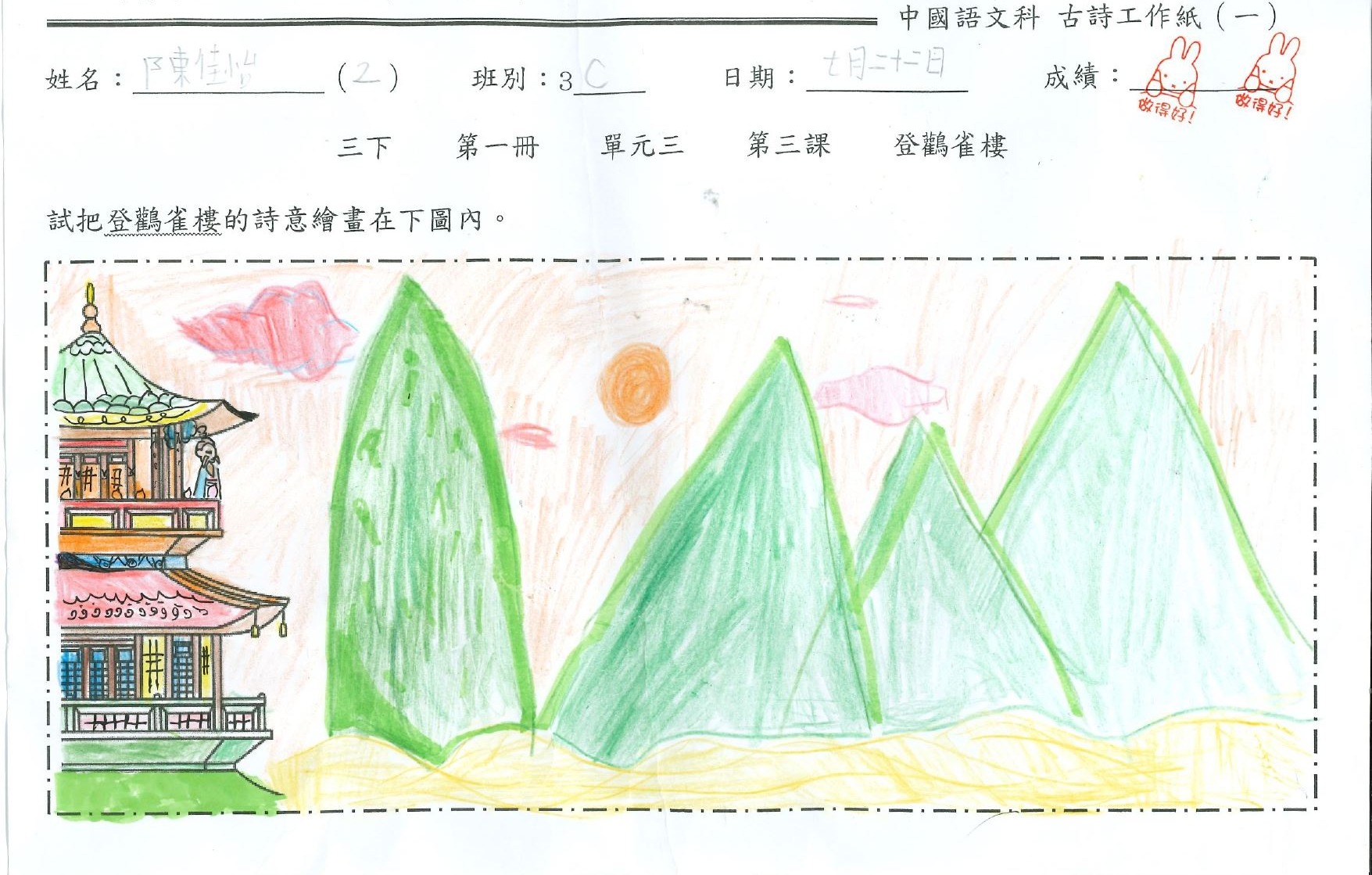
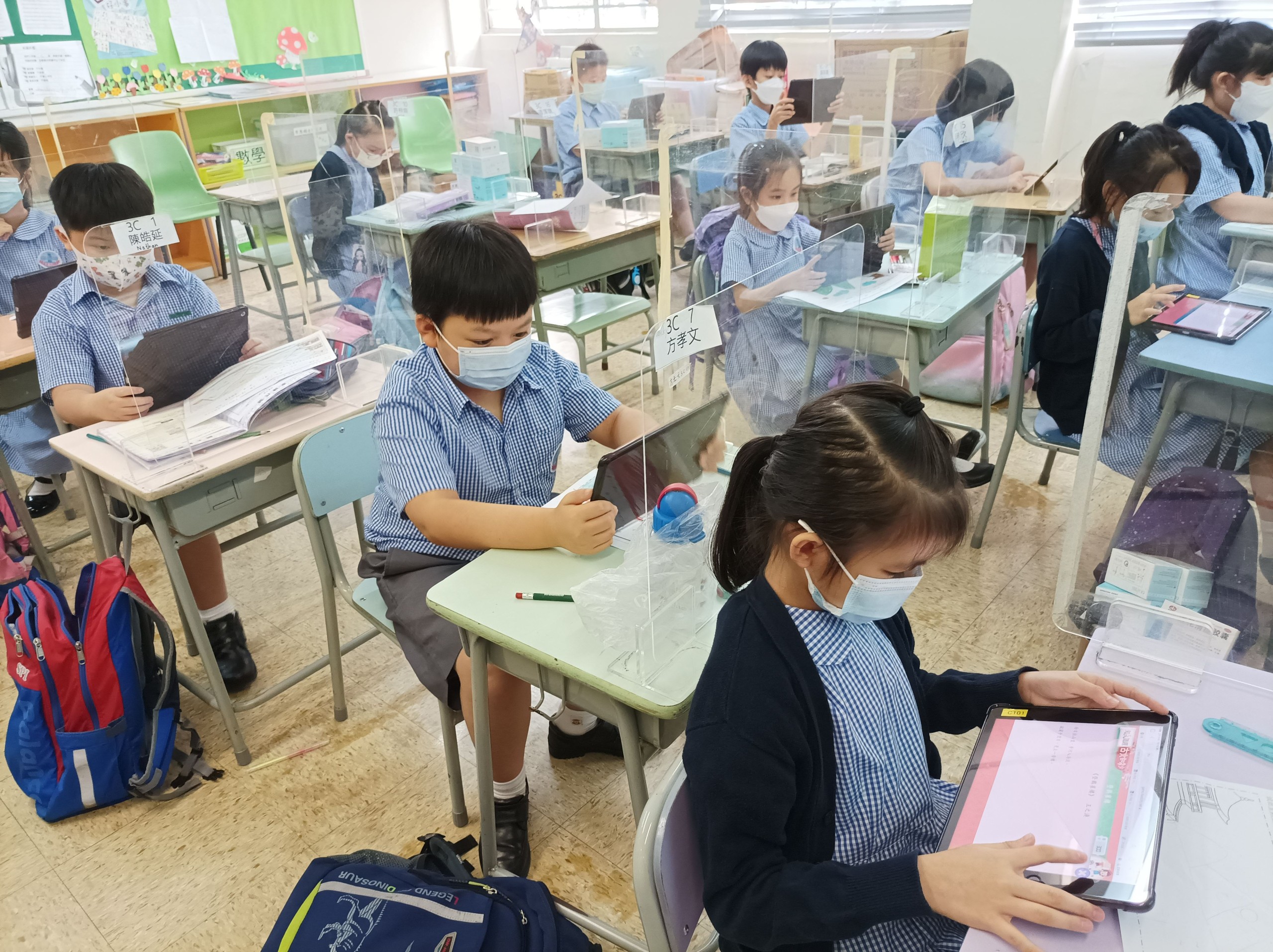
5.Classical Chinese Literature Course
Based on students' age characteristics, carefully selected ancient poems and classical Chinese prose are chosen.
Through chanting, story-based teaching, practical assessments, and fun competitions, students are guided to appreciate the beauty of Chinese phonology, understand the essence of traditional culture, and achieve a fusion of language learning and cultural inheritance.
 |
 |
.jpg) |
 |
 |
 |


